


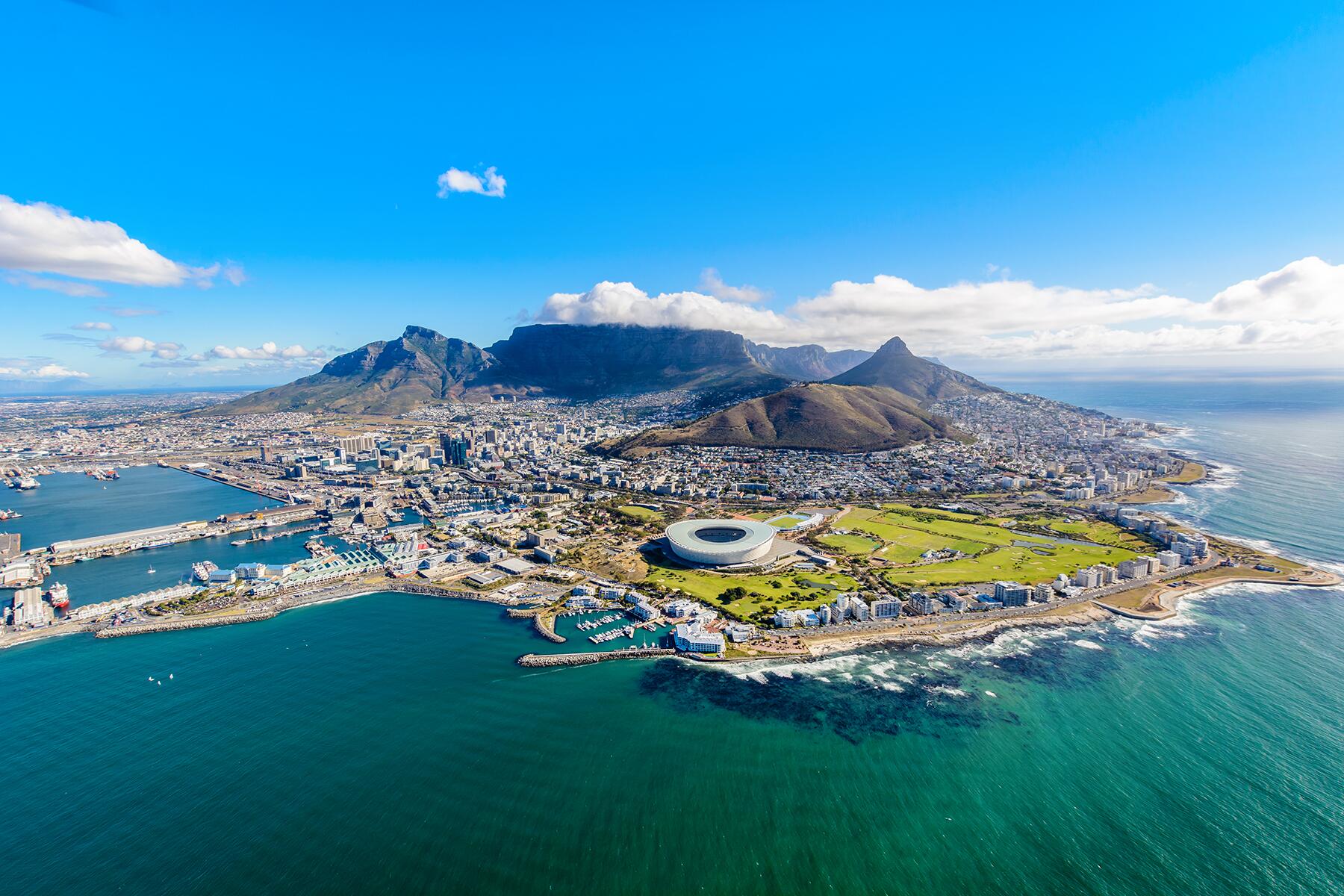

With only one week, you can still enjoy the best of South Africa, including Johannesburg and Cape Town highlights, as well as a short safari.
Days 1 to 3: Kruger National Park
Spend your first afternoon recovering from your long international flight by lazing around at your luxury lodge. Depending on where you stay, you may be able to arrange a massage or spa treatment during this time (it helps with the jet lag). If there’s an afternoon or evening game drive, don’t miss it. Meals are all arranged, and bedtime is early.
Experience your first full safari on Day 2. Have a quick jolt of caffeine before sunrise, then set out on a game drive in the wilderness. Return to the lodge for lunch and a rest during the midday heat. After a proper afternoon tea of sweet and savory options, you’re off in the vehicle again. Having sundowner drinks at sunset is an experience you’ll never forget. After the evening drive, it’s back to the lodge for drinks and dinner, where guests and guides share tales from the day.

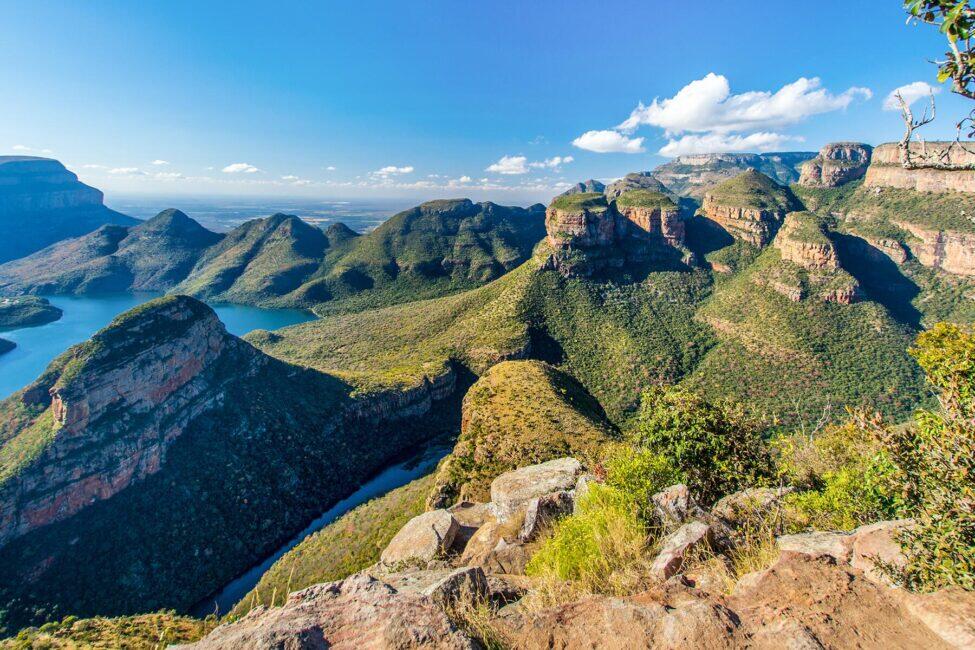
You’ll be able to fit in a morning game drive before departing the camp on Day 3. As you head back to Johannesburg, take in the sites along the Mpumalanga Panorama Route and Blyde River Canyon’s breathtaking scenery. You’ll arrive in Johannesburg late in the day. Turn in your rental car and take a taxi to your lodging. Shoppers might select a small B&B or guesthouse in the Melville, Parkhurst, or Maboneng neighborhoods. Rosebank’s shopping malls will be a short drive away. To experience life outside the cloistered environment and walk down a street or sit at a café, Melville is the bohemian choice.
Top Picks for You

Recommended Fodor’s Video
Logistics: To make the most of your time, take a direct flight from OR Tambo Airport to a safari lodge in Kruger National Park. International flights usually arrive in the early morning, making it easy to board a midmorning flight to an airfield servicing one of the private reserves like Timbavati and Sabi Sands. Rent a car for your return trip.
Day 4: Johannesburg
Take a tour of Soweto to learn about the roots of apartheid and the way entrepreneurs are changing lives within the community. A tour of Alexandra township will be just as informative but off the beaten track. Be sure to stop at the Apartheid Museum for an excellent, if sobering, taste of the country’s history. Catch a late-afternoon or early-evening flight to Cape Town, where you’ll spend the next two nights.
Logistics: Arrange a township tour before your trip. Choose a company that offers a pickup at your hotel so you don’t have to drive.
Day 5: Cape Town
A stay at the Victoria & Alfred Waterfront puts you within strolling distance of its many attractions, but if you prefer something more authentically Cape Town, try one of the excellent guesthouses or boutique hotels in the CBD/Gardens/Tamboerskloof areas. Whichever you choose, dinner will feature Table Mountain as a backdrop.
On the following morning, take the first boat to Robben Island to see where Nelson Mandela spent decades and inhale that bracing sea air. When you return, grab a taxi to the base of Table Mountain and ride up in the cable car for magnificent views. Walk a few miles on one of the trails to stretch your legs and enjoy the gorgeous fynbos plants. If you’re a shopper, you could easily spend the rest of the afternoon browsing the shops in town. (The area between Wale, Bree, Hout, and St Georges Mall is ideal.) Grab a snack in one of the numerous cafés in the same zone. The Cape Quarter in De Waterkant offers more chic shopping and cafés. Alternatively, you could rent a car to visit Kirstenbosch National Botanical Gardens to see magnificent protea plants, the national flower. In summer there are concerts on the lawn. You may even have time to dip into some nearby wine-tasting rooms before heading to Camps Bay for sunset cocktails and a stroll along the beach before heading back to town for dinner.
Logistics: Your day in Cape Town will be busy, so plan out your route ahead of time. If possible, book a guided tour to maximize your time.
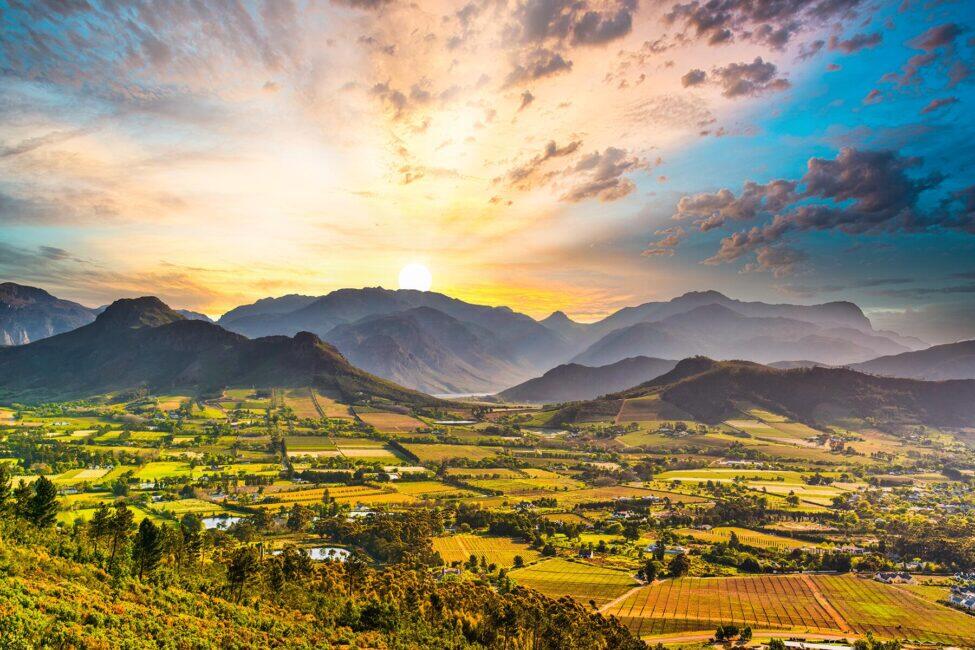
Day 6: Cape Winelands
Strike out early to the university town of Stellenbosch, less than an hour from Cape Town. Check out the historic downtown’s Cape Dutch architecture before settling into a typical South African B&B. (La Petit Ferme in Franschhoek has standout views.) Consider booking some spa time wherever you stay. Stop for some wine tastings at the excellent estates by Helshoogte Pass or Annandale Road, both of which areas also have wonderful lunching options. We love Tokara and Overture, depending on which area you choose.
Logistics: You don’t have to rent a car to do this trip, nor do you have to spend a night in the Winelands. There are plenty of companies that offer tours that will allow you to taste wines with impunity.
Day 7: Cape Peninsula
Get an early start on your last morning. Take in False Bay village gems like Kalk Bay (for its harbor) and Simon’s Town (for the fantastic penguins at Boulders). Visit Cape Point before finishing up at Cape Town’s airport for a flight home that evening.
Logistics: You can do all of this exploring on a guided tour if you don’t want to drive yourself.
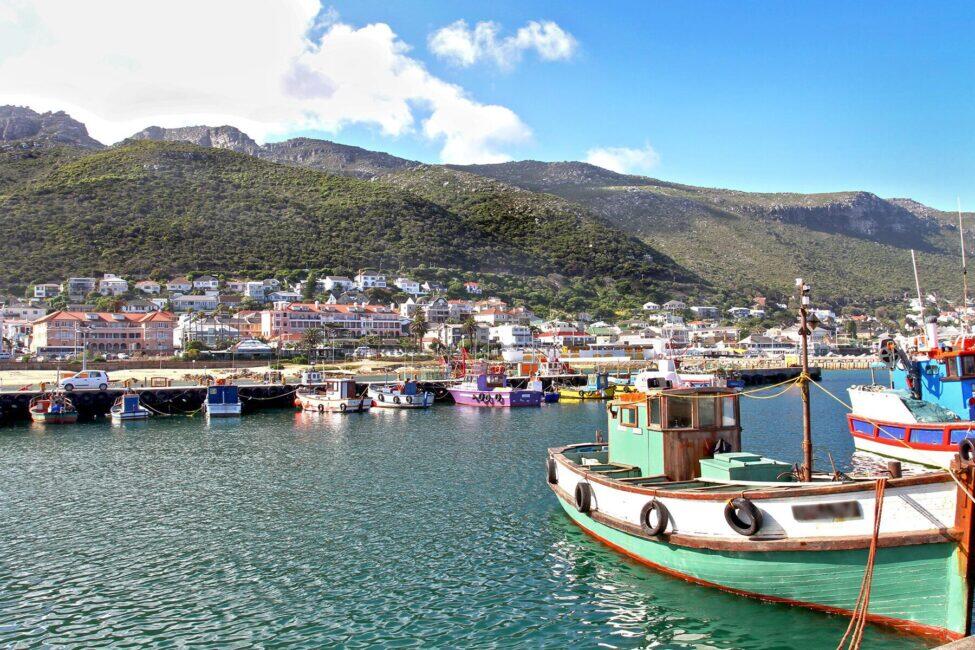
South Africa in 10 Days
With 10 days to explore, you can spend the majority of your time on safari and finish up with highlights of the Cape.
Days 1 and 2: Johannesburg
Start your journey in the City of Gold. A variety of excellent accommodations and activities are a highlight in this place colloquially known as “Jozi” or “Jo’burg.” Many new developments within the central business district, such as the Maboneng Precinct and Braamfontein, offer a great variety of local eateries and opportunities to stroll the city streets, discovering the history and evolution of this South African icon. The museums and outdoor educational tours on offer—from paleo-anthropological interests to South Africa’s more modern heritage, including the evolving Soweto and Alexandra townships—are captured in this city. On Day 2, a trip to the Cradle of Humankind would be worthwhile.
Logistics: Don’t drive in Johannesburg. You can do all your local exploring on guided tours, which will maximize your time and your safety. But do rent a car and drive to Madikwe. It’s only three hours on good roads; alternatively, you can arrange a transfer.
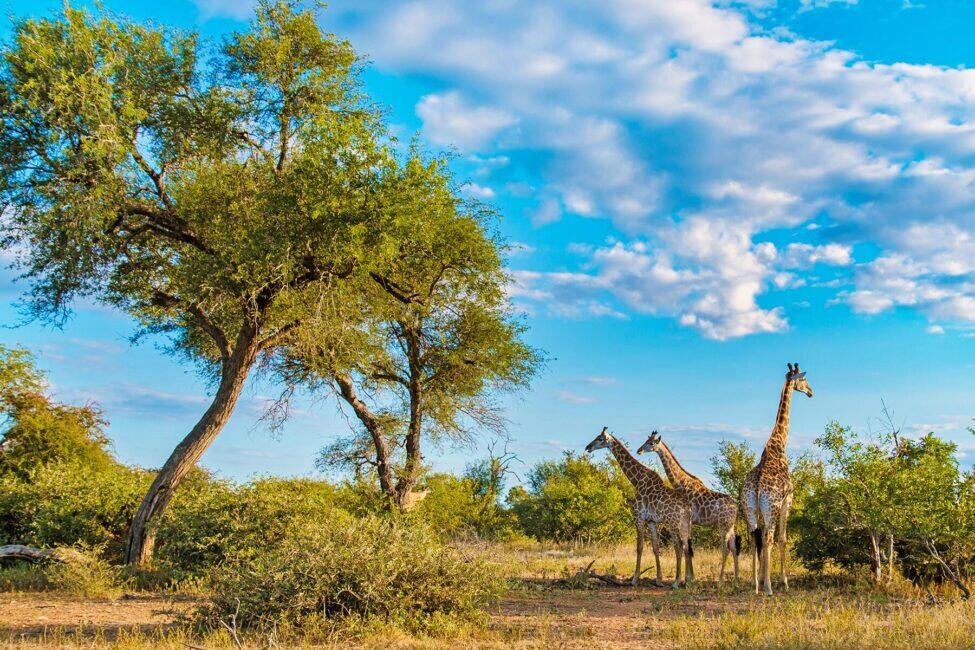
Days 3 and 4: Madikwe Game Reserve
Madikwe Game Reserve, on the border of Botswana, is a little more compact than Kruger National Park. It was one of the largest relocation projects in South Africa’s conservation history, so it offers a slightly different safari experience. Although this is still Big Five country, you’ll also see a wider variety of birdlife. Spend the early afternoon visiting a community program just outside the reserve’s gates, then head to your resort and enjoy the still air of the middle of the day from your own private balcony or plunge pool. Night drives may bring out the elusive leopards or lions feasting on a kill.
Go on a morning safari on your second day before heading to Kruger National Park in the afternoon. Stay overnight along the way in Dullstroom, which is in misty-morning highland trout country. It has plenty of excellent accommodations. The early part of the drive will give you views of contemporary African villages in the country’s platinum-mining belt, as well as the distant Waterberg and Pilanesberg ranges, which add awesome vistas to the drive.
Logistics: It’s a long trip to Kruger from Madikwe, so you may prefer to return to Jo’burg and fly to Kruger so you can have three nights there.
Days 5 to 7: Kruger National Park
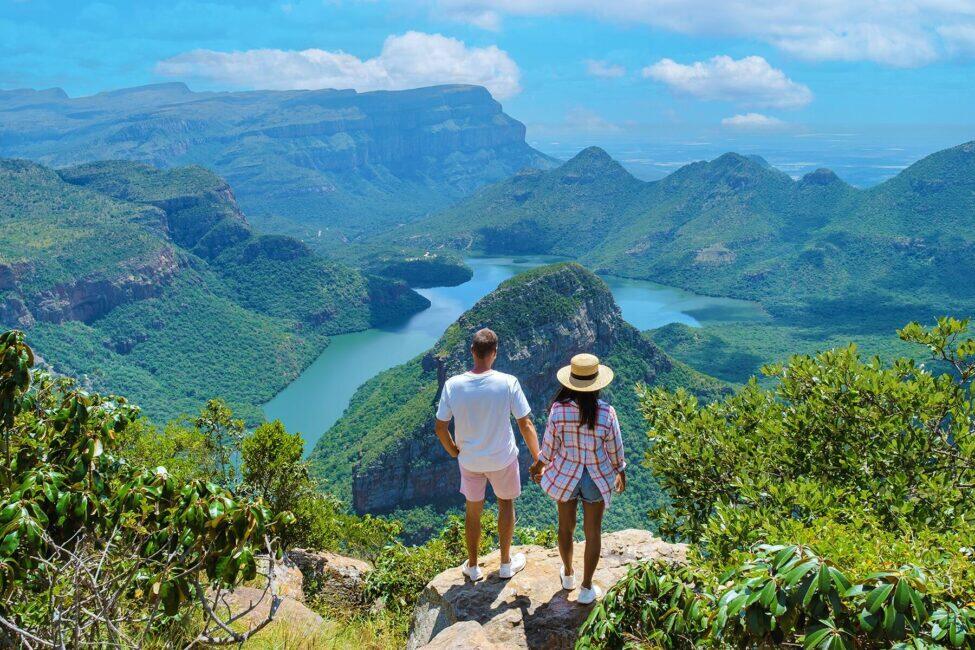
Rise early on Day 5 so you can meander through the scenic Blyde River Canyon and take in the views of the distant eastern Drakensberg Range. Consider visiting the Three Rondavels and God’s Window, a lookout where you can see all the way to Mozambique. Stop for lunch in quaint Pilgrim’s Rest, a former mining town. Enter Kruger National Park’s gates long before sundown so that you have time to settle in (and avoid the fines for driving after dark). There are hundreds of accommodations in the area, and many of them offer spas, walking safaris, and local community visits in addition to game drives. Reservations should be made far in advance.
On your first full day in Kruger, take an organized guided trip at a rest camp to get your bearings and learn how to spot game. Book a dinner at a boma under the stars or a stargazing safari for an only-in-Africa experience. Your final day should be spent exploring the park in detail, viewing your favorite animals for as long as you wish.
Logistics: From Madikwe, it’s a seven-hour drive to Mbombela. It’s only about two hours from Mbombela to Pilgrim’s Rest, but leave plenty of time to take in the scenery. It’s a long trip back to Jo’burg by car. Consider dropping off your rental in Mbombela and flying back.
Days 8 to 10: Cape Town
After arriving in Cape Town and dropping your bags, you should have enough time for a stroll along the promenade at Mouille Point. Take in the V&A Waterfront and browse at the excellent market, where you’ll find great local buys. Afterward, enjoy a sundowner or a sunset cruise. If you choose sightseeing, book dinner at any excellent city restaurant.
Head out early the next morning to see the highlights outside town. Stop to shop or eat in charming Kalk Bay before seeing the penguins at Boulders Beach. At Cape Point, hike down to Old Lighthouse or check out wild Diaz Beach. (Please don’t feed the baboons—it makes them aggressive and can end badly.) Head back via the Atlantic side, possibly stopping in Noordhoek Farm Village for a bite to eat before heading over Chapman’s Peak Drive. Finish your long day with a sundowner at Camps Bay or dinner at one of the many establishments across the way.
On your final day, plan to visit both Table Mountain and Robben Island. If the wind gets in the way, head to Kirstenbosch National Botanical Garden. Either way, lace up your hiking shoes and fit in enough walking before your long flight home. There’s no better place to do it.
Logistics: Whether driving or flying, make sure you get back to Johannesburg in time for an early-afternoon flight to Cape Town. For convenience, base yourself at a V&A Waterfront hotel in Cape Town or, if you want a more relaxing experience, a hotel in Gardens or Camps Bay. If you don’t want to rent a car in Cape Town, there are plenty of tour companies that are eager to show you the Cape Peninsula. Most flights to the U.S. leave in the early evening, so you can have a full day of sightseeing before your departure.
South Africa in Two Weeks
Depending on where your inbound flight lands, you can begin or end at Cape Town. Most long-haul flights allow you to start and end wherever you wish.
Days 1 to 4: Cape Town and Environs
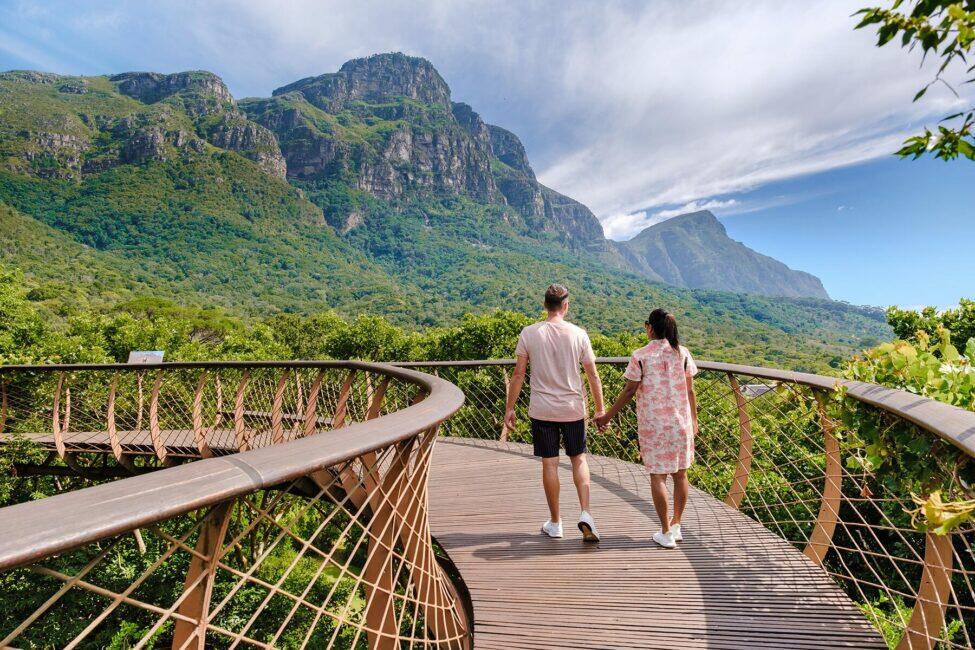
In four days, you can enjoy Cape Town’s attractions at a leisurely pace. Take two days to explore the city’s outdoor spaces and fabulous markets. Live music and laid-back days are enjoyed in most open spaces in summer—including the almost legendary Kirstenbosch National Botanical Garden on the backside of Table Mountain, and the Company’s Garden in the city center—surrounded by museums and the anti-apartheid political landmark, St George’s Cathedral.
On Day 3, get an early start and set out on a day-pack hike, allowing you to take in the scenery of Table Mountain. Lions Head is a good option if time is tight. Either way, you’ll be treated to spectacular views. Lunch could be a relaxing picnic at The Lawns of the Roundhouse in the Glen, right below Lions Head, overlooking Camps Bay. Then hit a restaurant along trendy Bree Street for dinner.
Use Day 4 to make a full loop of the Cape Peninsula, heading out of town through Hout Bay. Make sure to drive over Chapman’s Peak Drive, one of the world’s most spectacular routes, then take a stroll among the penguins at Boulders Beach. Be sure to stop at Cape Point for a walk around Cape Peninsula National Park. As you loop back up the False Bay coast, consider stopping for dinner at the Harbour House in charming Kalk Bay.
Logistics: If you don’t want to drive yourself around Cape Town, then tours can get you to all the same places. For a longer stay, pick a more relaxing location for your hotel than the V&A Waterfront. There are plenty of inviting guesthouses and B&Bs.
Days 5 to 7: The Garden Route via the Cape Winelands
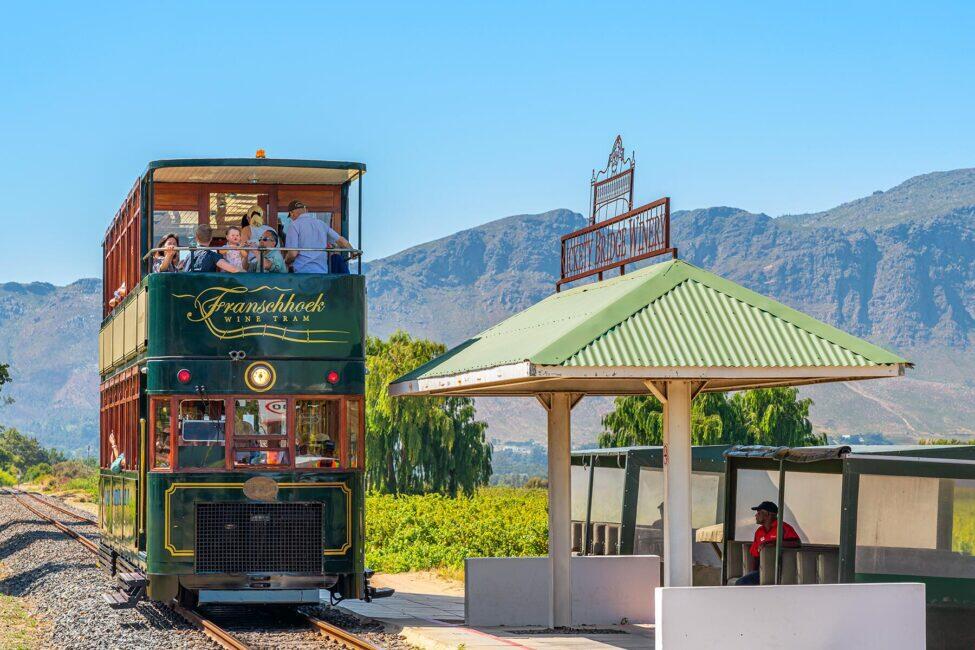
Heading out early from Cape Town on Day 5, you’ll have plenty of time to linger over culinary wonders in Stellenbosch, dine on gourmet French food in Franschhoek, and stroll down the main street of Paarl to enjoy its mix of Cape Dutch, Edwardian, Victorian, and art deco architecture. With so many excellent guesthouses to choose from, part of the fun is deciding which fantasy accommodation suits you best—tranquil lakeside cottages to mountain retreats to historic cottages in Stellenbosch, Paarl, or Franschhoek.
Begin Day 6 with a drive to Hermanus for lunch, where you can watch whales from the shore or if you’re brave, try a little shark-cage diving in Gansbaai. Spend the night in remarkable accommodations at the gorgeous Grootbos Private Nature Reserve.
The next day, head for Africa’s southernmost point at Cape Agulhas. It’s also called the Cape of Storms for its many shipwrecks. Nearby is Stilbaai, with 30 km (19 miles) of sandy beaches, gentle surf, and delicious seafood. Spend the night in Knysna or Plettenberg Bay. The former is packed with history, standout golf courses, and water sports; the latter has some of the best swimming beaches in the country, framed by rugged mountain ranges.
Logistics: Rent a car in Cape Town for the remainder of your trip. You could accomplish everything with guided tours, but it’s nicer to go at your own pace.
Days 8 to 12: Eastern Cape Safari Parks
After an early start from your accommodation, cruise past the turnoff to the surfing mecca of Jeffreys Bay as you make your way to the outskirts of Gqeberha (Port Elizabeth). The remaining time is for winding down in sublime surroundings. Spend them between the Addo Elephant National Park, where you will overnight and are bound to see some of the best elephant activity on offer, and Samara Private Game Reserve, a little more than two hours inland outside the beautiful historic Karoo town of Graaff-Reinet. Samara is a remarkable reserve that has reclaimed old farming land and been restocked with indigenous game. It has a standout cheetah-monitoring program and a resident population of rhinos. The accommodations here are as good as it gets.
Logistics: Spend two nights in Gorah Elephant Camp in Addo and two more nights in Samara Private Game Reserve.
Days 13 and 14: Johannesburg
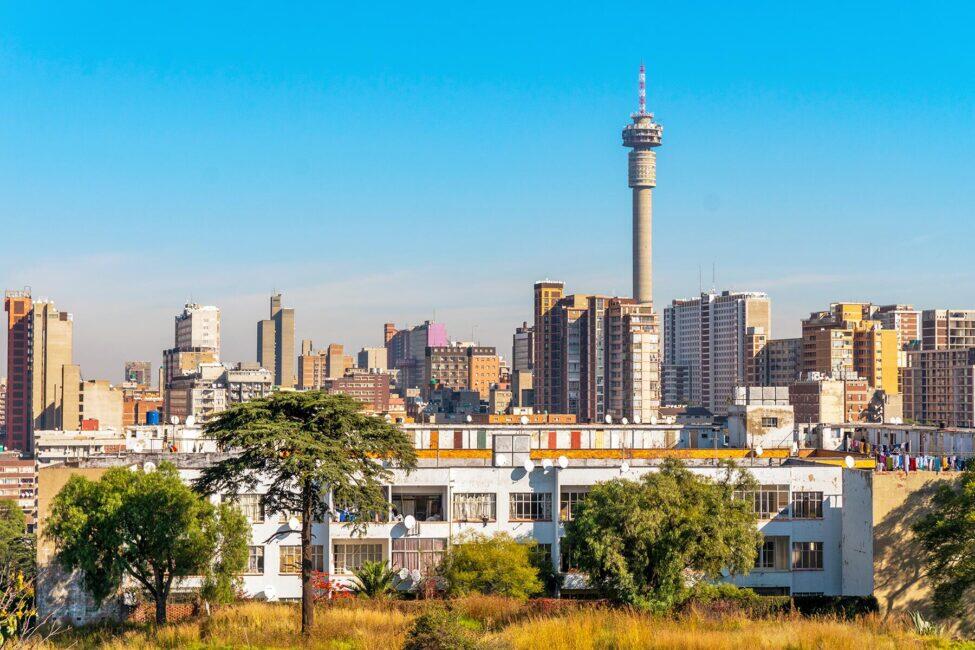
After your Eastern Cape safari, you’ll be relaxed and ready to head to Johannesburg, Africa’s shopping mecca, for two final days of exploring. Visit the Maboneng Precinct, see the city’s exciting rejuvenation, watch some theater, and take a quad bike through Soweto or an art tour through Alexandra. It’s a fine way to complete a fantastic trip to South Africa.
Logistics: It’s a two-hour drive back to Gqeberha (Port Elizabeth), where you board a flight to Johannesburg for two final nights. There, you can see everything on guided tours.