



The North Sea and Baltic Sea lap the north coast of Germany, feeding a sprawling network of waterways that placed the country at the heart of historically important trade routes. Take in brickwork warehouses in old port cities, soak up the sun on sandy white beaches, float in Brandenburg’s serene lakes, and cruise down the Rhine as you vacation like a local.
Begin your trip in Cologne, flying into the Cologne Bonn Airport (CGN) if you can. End your trip in Berlin by flying out of the Berlin-Brandenburg Airport (BER).
Day 1: Köln (Cologne)
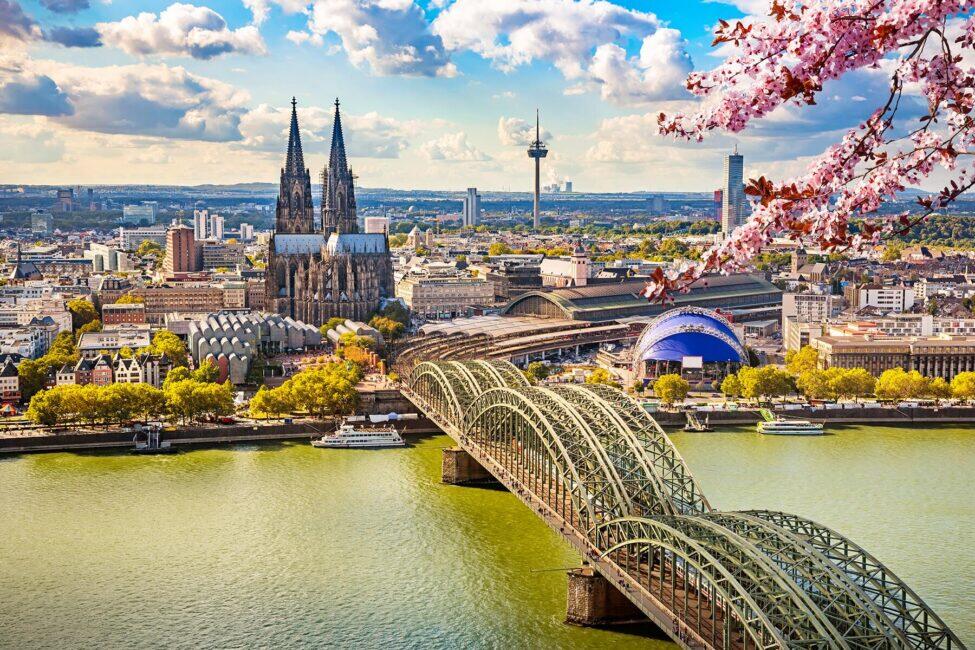
Fly into Cologne and spend your first day in the heart of the Rhineland enjoying the city. Marvel at the Kölner Dom (cathedral), a UNESCO World Heritage site and Gothic masterpiece. While the majestic cathedral is the city’s top sight, it’s not the only one. The city has excellent museums, the best of which may be the Museum Ludwig of 20th-century art, located conveniently near the cathedral. Be sure to take a boat cruise down the Rhine River past the picturesque Altstadt (Old Town), or take a stroll through the city’s beautiful Botanical Garden, especially in summer. Then celebrate your first night in Germany by sipping Kölsch beer at one of the city’s sleek bars before getting some well-earned sleep.
Top Picks for You

Recommended Fodor’s Video
Days 2 and 3: Hamburg
Hamburg is home to more canals than Venice, and is dotted with cafés and bars overlooking the accompanying locks and bridges. Start in front of the Rathaus (Town Hall), a lavish structure built with the city’s riches from its history as one of the most important trading ports in Europe. Stop to eat the traditional seafarer’s favorite, Labskaus, a dish made of minced meat and served with a fried egg on top. Then head to the Speicherstadt, a UNESCO World Heritage site, to see traditional redbrick warehouses, and make a stop at Miniatur Wunderland, the world’s biggest model railway—it’s a must-see even if you’re not a train enthusiast. Hamburg is known for its nightlife in St. Pauli, which has been an entertainment district since the 17th century (not to mention its red-light district along the famous Reeperbahn). Spend two nights in the trendy neighborhood of Sternschanze.
Logistics: Take a train from Cologne to Hamburg Hauptbahnhof; 4 hours.
Day 4: Lübeck
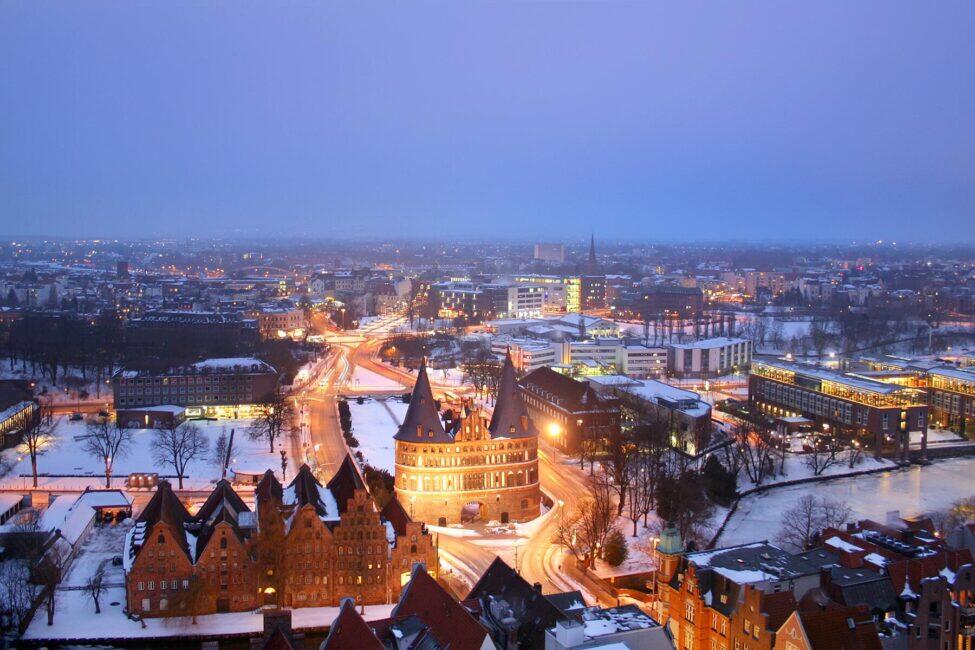
Hop on an intercity train the next morning for a quick ride to Lübeck. Explore on foot through medieval alleyways in this 12th-century city, founded by King Henry the Lion, that was a founding member of the Hanseatic League of trading cities along the Baltic. Check out Holstentor, the western gate of the old city center, before making your way into the Altstadt, which boasts more 13th- to 15th-century buildings than the rest of Germany’s major northern cities combined. If you have a sweet tooth, you’ll want to make a stop at Café Niederegger, the famous purveyor of marzipan. Dine on large servings of seafood specialties from oak tables at Schiffergesellschaft, an old mariners’ club. Stay the night in Lübeck.
Logistics: Train from Hamburg Hauptbahnhof to Lübeck; 45 minutes.
Days 5 and 6: Rostock and Warnemünde
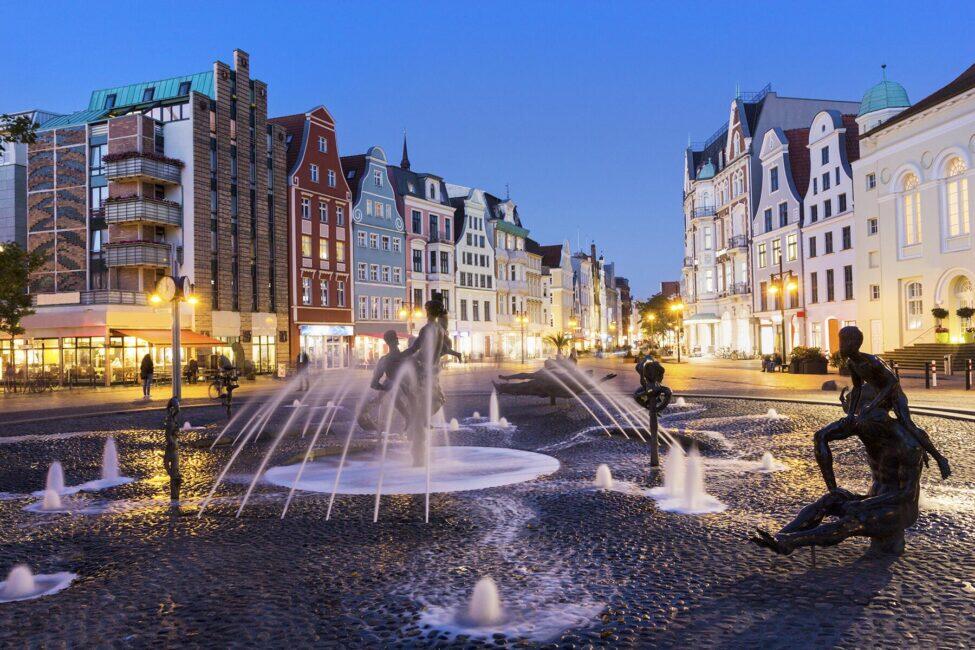
Head east toward the city of Rostock, the former East German state’s biggest port and ship-building center (today a busy summer cruise-ship port) and your base for finding the perfect stretch of sandy white beach on the Baltic Sea. From there it’s 9 miles north to the resort town of Warnemünde, a popular destination for German tourists and another busy cruise port; its beachfront, some 17 km long, is one of Germany’s busiest. If you’re there on the weekend, stop by the Sky-Bar at night to watch ship lights under the stars. You can spend the night in one of the historic hotels in Rostock’s Old Town.
Logistics: Train from Lübeck to Rostock Hauptbahnhof; 1 hour and 50 minutes.
Days 7 and 8: Berlin
Spend your last two days in Germany’s capital, Berlin, a city with a fascinating history, particularly its recent division and shifting neighborhood dynamics after the fall of the Berlin Wall in 1989. Berlin is famed for its late-night culture and contemporary art scene, but it’s also filled with excellent museums and other cultural and historical attractions to fill much more than 2 days. You can even do some touring in the evening: The Checkpoint Charlie Museum doesn’t close until 8 pm, while Sir Norman Foster’s glass dome on the Reichstag (parliament building) and the TV Tower at Alexanderplatz are open until 10 pm, though the Reichstag and TV Tower may require prior registration and a timed ticket, so they’re not something you can do on a whim.
Don’t neglect your downtown; in summer, make sure you save some time to grab a beer and sit by the side of the river Spree, which winds through the middle of the city, before venturing out to the best nightlife in hip neighborhoods like Kreuzberg and Friedrichshain; you can do it after exploring the museums on Museumsinsel. Escape from the urban center the next morning to relax at one of the many lakes surrounding the city, such as Wannsee. Bring a picnic, rent a paddleboat, swim in the cool, rejuvenating waters, and explore some of the city’s history in the Wannsee Conference House, where the Nazis plotted. Fly home the next day.
Logistics: Train from Rostock Hauptbahnhof to Berlin Hauptbahnhof; 2 hours and 40 minutes.