


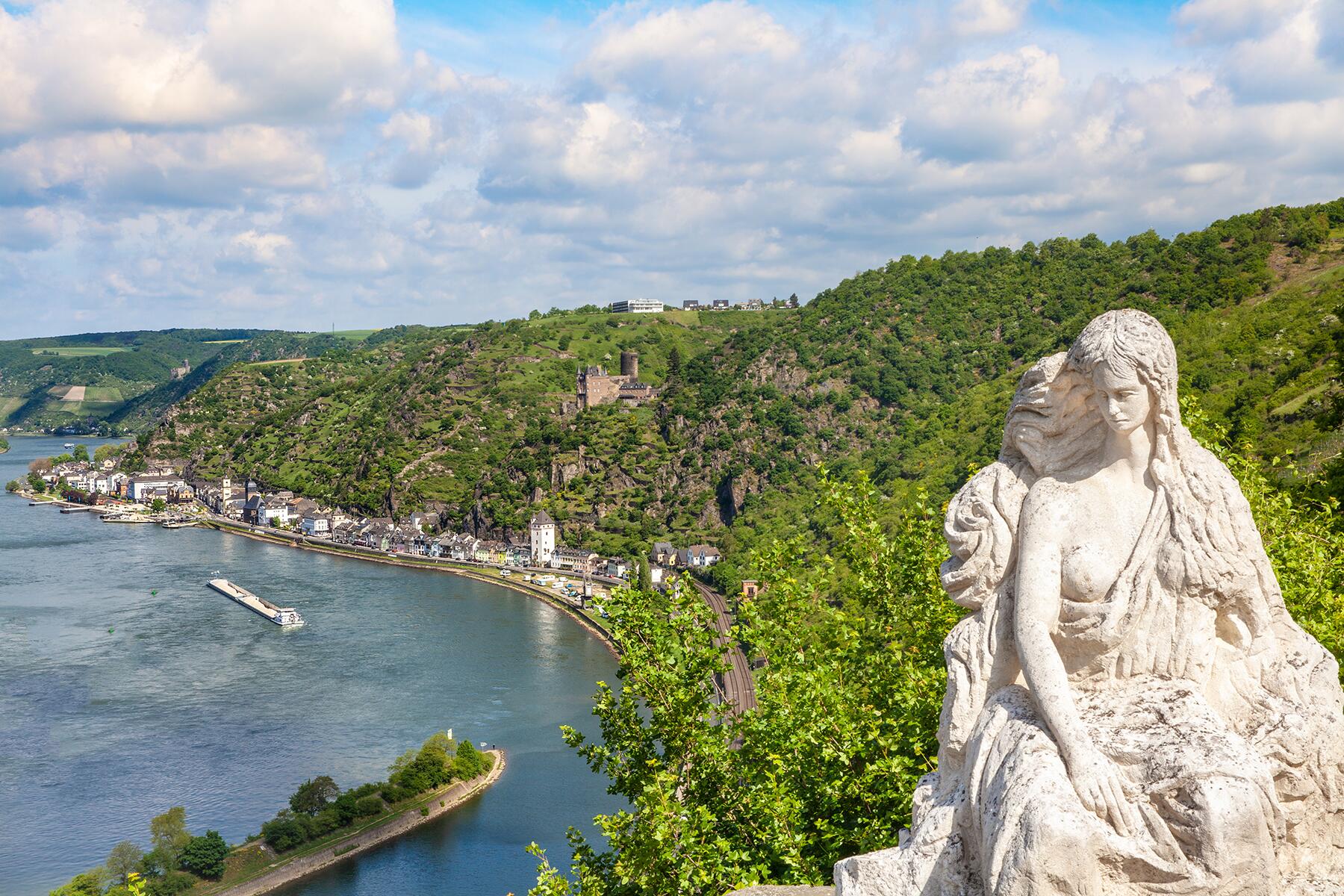

While frothy beers come to mind when you think of Germany, the country also produces a range of outstanding wines. It’s best known for Riesling, but take a drive through the winding countryside past ancient fortresses and you’ll get a taste of what else German vineyards have to offer along with some history. Fly into Frankfurt Airport (FRA) in Frankfurt or Cologne Bonn Airport (CGN) in Cologne, as the two locations are equidistant from the first stop, Koblenz. Fly out of Frankfurt.
Day 1: Koblenz
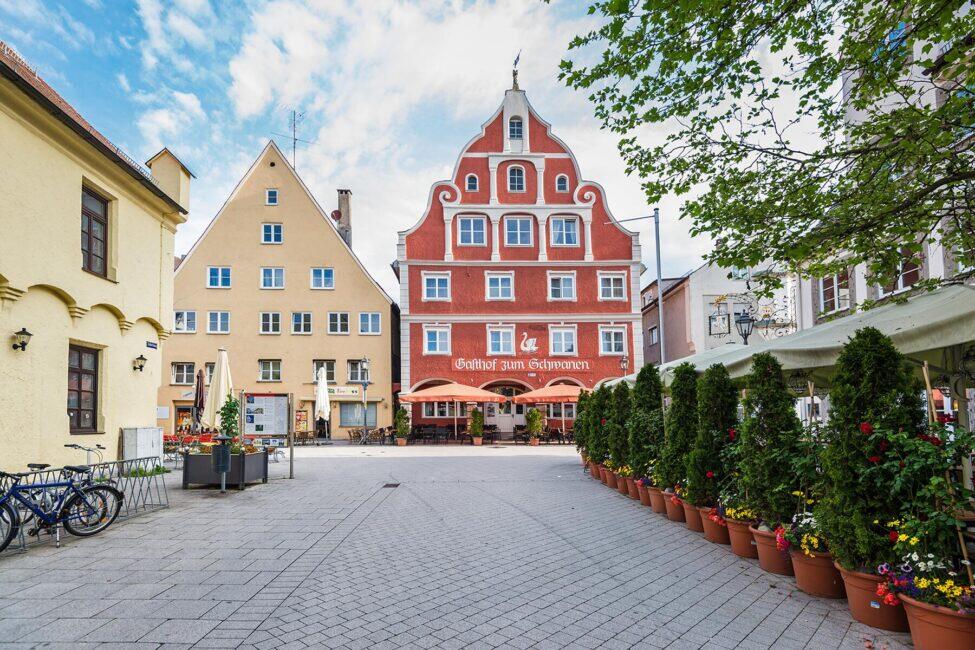
Pick up a rental car in Frankfurt or Cologne and start your tour in Koblenz, at the confluence of the Rhine and Mosel rivers. Once you have arrived in the historic downtown area, head straight for the charming little Hotel Zum Weissen Schwanen, a half-timber inn and mill since 1693. Explore the city on the west bank of the Rhine River and then visit Europe’s biggest fortress, the impressive Festung Ehrenbreitstein on the opposite riverbank.
Logistics: 100 km (60 miles); 1 hour and 15 minutes by car.
Day 2: Koblenz and Surrounding Castles
Get up early and spend the day driving along the most spectacular and historic section of “Vater Rhein.” Stay on the left riverbank and you’ll pass many mysterious landmarks on the way, including the Loreley rock, a 430-foot slate cliff named after the beautiful siren who lured sailors to their deaths with her song. Stay the night at St. Goar or St. Goarshausen, both lovely river villages.
Top Picks for You

Recommended Fodor’s Video
Logistics: 40 km (24 miles); 40 minutes by car.
Day 3: Eltville and the Eberbach Monastery
The former Cistercian monastery Kloster Eberbach in Eltville is one of Europe’s best-preserved medieval cloisters. Parts of the film The Name of the Rose, based on Umberto Eco’s novel and starring Sean Connery, were filmed here. Spend the night at the historic wine estate Schloss Reinhartshausen and sample the fantastic wines of the region.
Logistics: 46 km (28 miles), 45 minutes to Eltville, 15 minutes more to monastery by car.
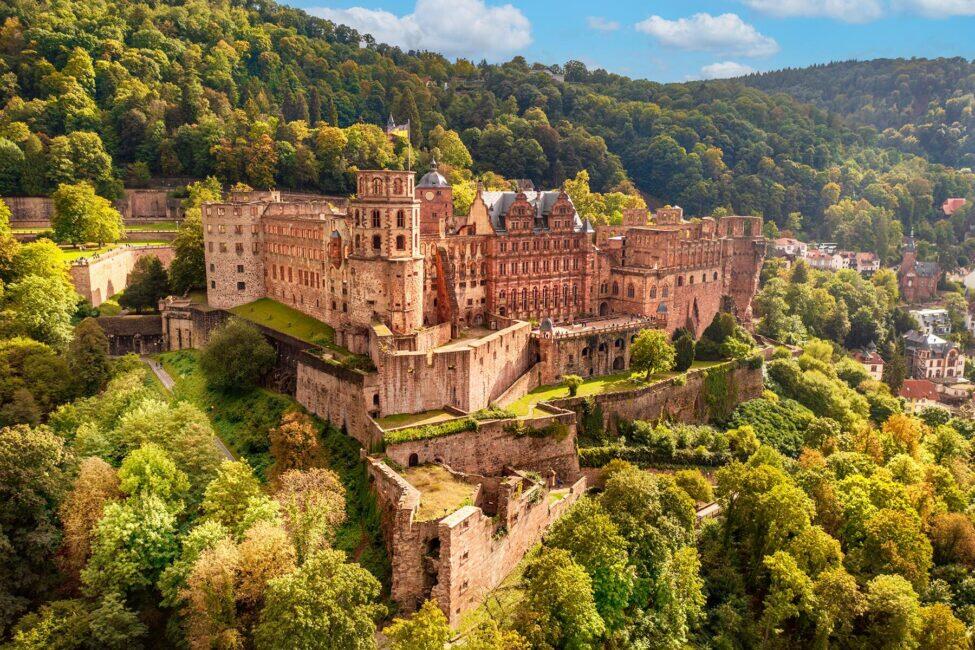
Day 4: Heidelberg
On Day 4, leave early so you can spend a full day in Heidelberg. No other city symbolizes the German spirit and history better than this meticulously restored, historic town. Don’t miss the impressive Schloss Heidelberg, one of Europe’s greatest Gothic-Renaissance fortresses. Then head for the Hotel zum Ritter St. Georg, a charming 16th-century inn with a great traditional German restaurant.
Logistics: 110 km (68 miles); 1 hour and 15 minutes by car.
Days 5 and 6: The Burgenstrasse and the Neckar Valley
Head to the quaint little villages in the Neckar Valley just east of Heidelberg for superb food and wine. The predominant grapes here are Riesling (white) and Spätburgunder (red), aka Pinot Noir. Try to sample wines from small, private wineries—they tend to have higher-quality offerings. Sightseeing is equally stunning, with a string of castles and ruins along the famous Burgenstrasse (Castle Road). Since you have two days for this area, take your time and head to Eberbach and its romantic Schloss Zwingenberg, tucked away in the deep forest a 15-minute drive outside the village. In the afternoon, continue on to Burg Hornberg at Neckarzimmern, the home to the legendary German knight Götz von Berlichingen. Stay the night here, in the former castle stables.
The next morning, continue on another 20 minutes to Bad Wimpfen, the most charming valley town at the confluence of the Neckar and Jagst rivers. Spend half a day in the historic city center and tour the Kaiserpfalz (royal palace). Soaring high above the city, the palace was built in 1182 for the Staufer dynasty, and was a popular retreat for the emperor Barbarossa.
Logistics: 33 km (20 miles), 45 minutes to Eberbach; 29 km (18 miles), 1 hour to Neckarzimmern; 14 km (8 miles), 20 minutes to Bad Wimpfen.
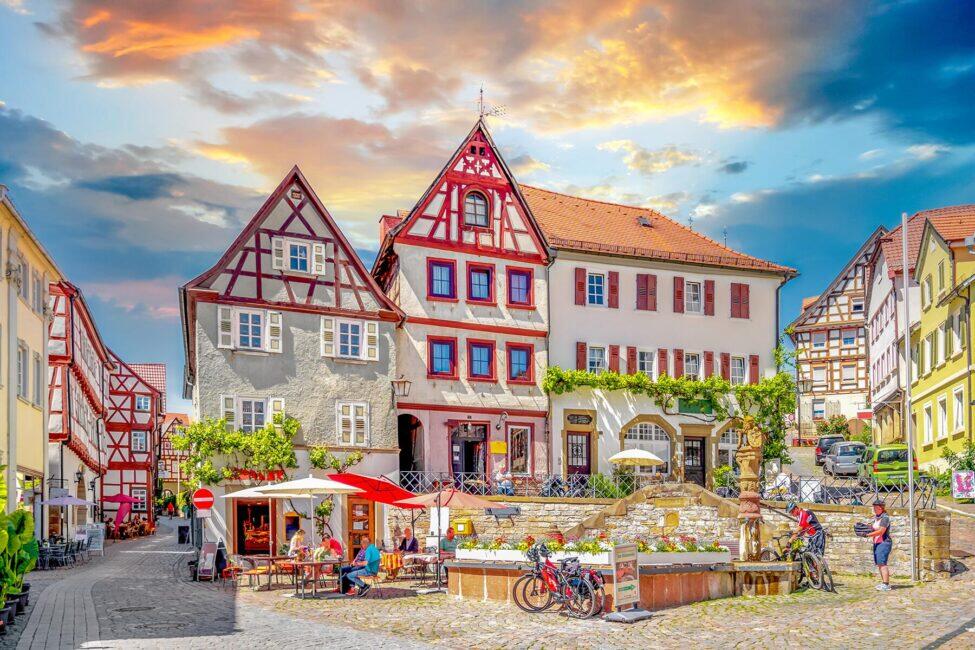
Days 7 and 8: German Wine Route
Devote your last day to the German Wine Route, which winds its way through some of the most pleasant landscapes in Germany: the gentle slopes and vineyards of the Pfalz. The starting point for the route is Bad Dürkheim, a spa town and proud home of the world’s largest wine cask, which holds 1.7 million liters (450,000 gallons). You can enjoy wine with lunch in the many Weinstuben (wine bars) here or wait until you reach Neustadt farther south, which is Germany’s largest wine-making community. If time permits, try to visit Burg Trifels in the afternoon. Near Annweiler, the castle is a magnificent Hohenzollern residence, perched dramatically on three sandstone cliffs, and makes for a great photo op. Take it easy in the evening to prepare for the next day’s drive to Munich and flight home.
Logistics: 89 km (55 miles), 1 hour to Bad Dürkheim; then 18 km (11 miles), 20 minutes to Neustadt; then 39 km (24 miles), 40 minutes to Burg Trifels; then 140 km (86 miles), 1 hour and 40 minutes to Frankfurt Airport.