4 Best Sights in Big Island, Hawaii

Background Illustration for Sights

Nicknamed "The Big Island," Hawaii Island is a microcosm of Hawaii the state. From long white-sand beaches and crystal-clear bays to rain forests, waterfalls, valleys, exotic flowers, and birds, all things quintessentially Hawaii are well represented here.

An assortment of happy surprises also distinguishes the Big Island from the rest of Hawaii—an active volcano (Kilauea) oozing red lava and creating new earth every day, the clearest place in the world to view stars in the night sky (Maunakea), and some seriously good coffee from the famous Kona district, and also from neighboring Kau.

Home to eight of the world’s 13 sub-climate zones, this is the land of fire (thanks to active Kilauea volcano) and ice (compliments of not-so-active Maunakea, topped with snow and expensive telescopes). At just under a million years old, Hawaii is the youngest of the main Hawaiian Islands. Three of its five volcanoes are considered active: Mauna Loa, Hualalai, and Kilauea. The Southeast Rift Zone of Kilauea has been spewing lava regularly since January 3, 1983; another eruption began at Kilauea's summit caldera in March 2008, the first since 1982. Back in 1984, Mauna Loa's eruptions crept almost to Hilo, and it could fire up again any minute—or not for years. Hualalai last erupted in 1801, and geologists say it will definitely do so again within 100 years. Maunakea is currently considered dormant but may very well erupt again. Kohala, which last erupted some 120,000 years ago, is inactive, but on volatile Hawaii Island, you can never be sure.

Puuhonua O Honaunau National Historical Park
Fodor's Choice
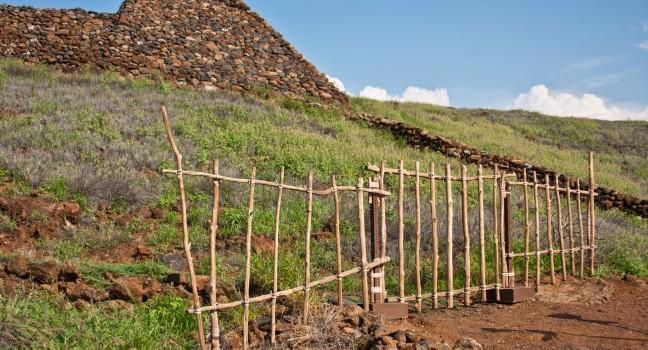
Pu'ukohola Heiau National Historic Site on Hawaii's Big Island.
(c) Cecoffman | Dreamstime.com

This breathtaking, 420-acre National Historical Park has the best preserved puuhonua (place of refuge) in the state, and an aura of ancient sacredness and serenity still imbues the place. Providing a safe haven for noncombatants, kapu (taboo) breakers, defeated warriors, and others, the puuhonua offered protection and redemption for anyone who could reach its boundaries, by land or sea. The oceanfront, 960-foot stone wall built more than 400 years ago still stands and is one of the park's most prominent features. A number of ceremonial temples, including the restored Hale o Keawe Heiau (circa 1700), have served as royal burial chambers. Bring a picnic to the oceanfront park, where there are tables and bathrooms. The 2¼-mile, 1871 Trail takes you past incredible lava features and historic sites. This treasure of a park is a must-see for every visitor to the Big Island.

Kaloko–Honokohau National Historical Park

Fodor's Choice

The trails at this sheltered 1,160-acre coastal park near Honokohau Harbor, just north of Kailua-Kona, are popular with walkers and hikers, and the park is a good place to observe Hawaiian archaeological history and intact ruins. These include a heiau (temple), house platforms, ancient fishponds, and numerous petroglyphs along a boardwalk. The park's wetlands provide refuge to waterbirds such as the endemic Hawaiian stilt and coot. Two beaches here are good for swimming, sunbathing, and sea turtle spotting: Aiopio, a few yards north of the harbor, is small and calm, with protected swimming areas (good for kids); Honokohau Beach, also north of the harbor, is a ¾-mile stretch with ruins of ancient fishponds. Of the park's three entrances, the middle one leads to a visitor center with helpful rangers and lots of information. Local docents with backgrounds in geology or other subjects give nature walks. To go directly to the beaches, take the harbor road north of the Gentry retail center, park in the gravel lot, and follow the signs.

Hawaii Volcanoes National Park: Kahuku Unit

Located off Highway 11 at mile marker 70.5, the Kahuku section of the park takes visitors over many trails through ancient lava flows and native forests. Ecological wonders abound in this beautiful but isolated region that encompasses more than 116,000 acres. Guided hikes with knowledgeable rangers are a regularly scheduled highlight.

Hwy. 11, HI, USA
808-985–6101
Sight Details
$30 per car, $15 for pedestrians
Closed Mon. and Tues.

Something incorrect in this review?

Recommended Fodor's Video

Kilauea Military Camp

Located inside the park, Kilauea Military Camp, established in 1916, offers visitor accommodations to members of the military and their families but also has places open to the public, including an arcade, bowling alley, diner, buffet, general store, and gas station. The Lava Lounge cocktail bar is open nightly and features live music on weekends.