The North Carolina Coast
The North Carolina Coast
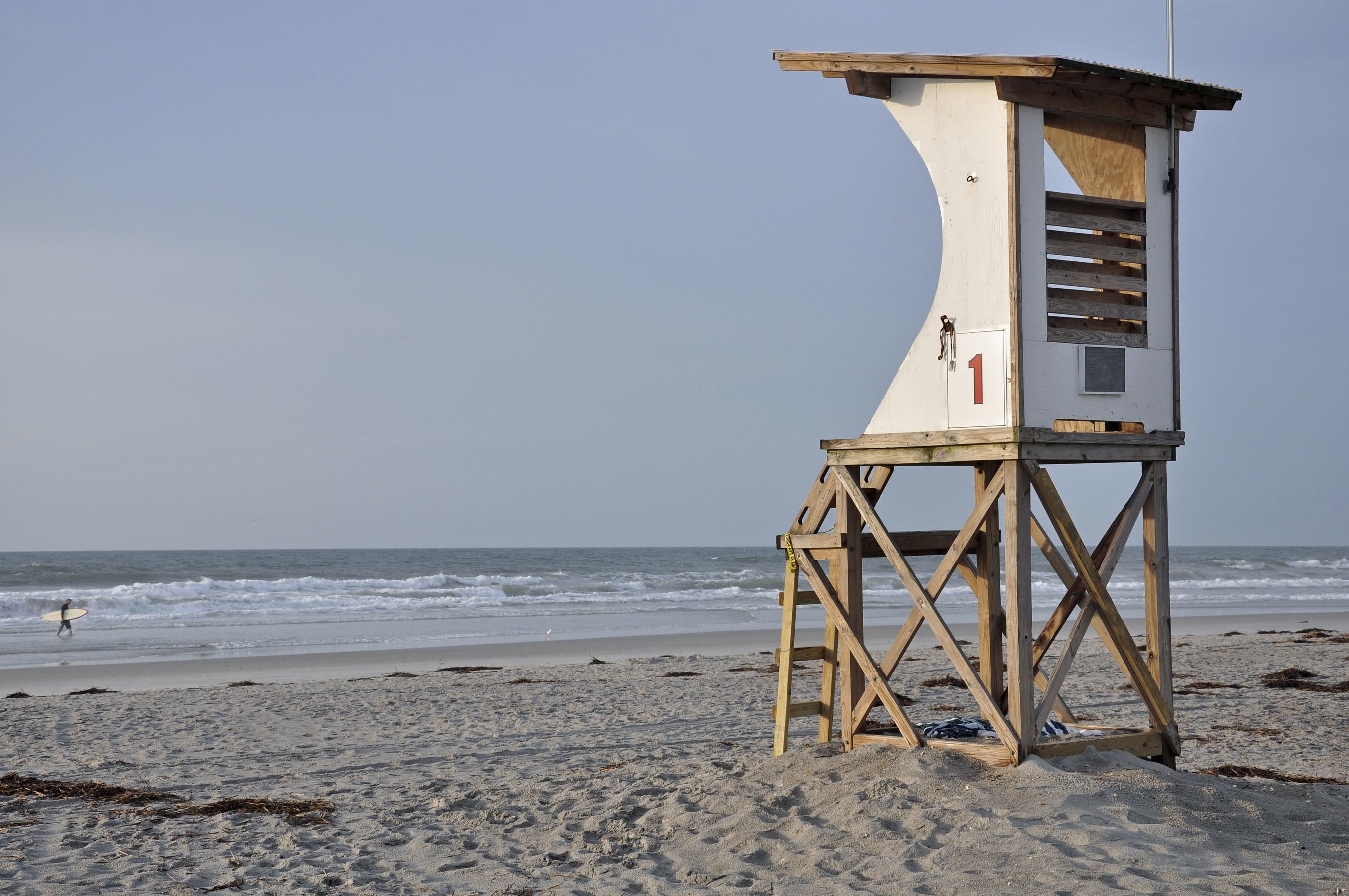
Three hundred miles of breathtaking barrier islands and mainland beaches make North Carolina's coastline a beach lover's dream. White sands and pristine waters, lighthouses, and a plethora of vacation homes mark the shore. Athletes and anglers, history buffs and gallery hoppers, and singles, couples, and families of every configuration find plenty to do here, but snoozing along the quiet shore is just as appealing.
Distinctive port cities dot broad rivers that lead inland from the sounds. You’ll find American Revolution and Civil War battle sites, elegant golf links and kitschy Putt-Putt courses, upscale boutiques and big-box beach shops. Aquariums, fishing charters, and museum outreach programs put you up close and personal with the seashore critters. North Carolina's small towns...
Read MoreThree hundred miles of breathtaking barrier islands and mainland beaches make North Carolina's coastline a beach lover's dream. White sands and pristine waters, lighthouses, and a plethora of vacation homes mark the shore. Athletes and anglers, history buffs and gallery hoppers, and singles, couples, and families of every configuration find plenty to do here, but snoozing along the quiet shore is just as appealing.
Distinctive port cities dot broad rivers that lead inland from the sounds. You’ll find American Revolution and Civil War battle sites, elegant golf links and kitschy Putt-Putt courses, upscale boutiques and big-box beach shops. Aquariums, fishing charters, and museum outreach programs put you up close and personal with the seashore critters. North Carolina's small towns (mostly of 1,000 to 3,000 people) offer their own special brand of genuine warmth and hospitality.
The coast is divided into three broad sections that include islands, shoreline, and coastal plains: the Outer Banks, or OBX (Corolla south through Ocracoke, including Roanoke Island), the Crystal Coast (Core and Bogue Banks, Beaufort, Southport, Morehead City, and the inland river cities of New Bern and Edenton), and the greater Cape Fear region (Wrightsville Beach south through Wilmington to the Brunswick Isles). The Outer Banks are visible from space: the thin, delicate white tracings are barrier islands that form a buffer between the Atlantic Ocean and the mainland.
Although other states' coasts have wall-to-wall hotels and condominiums, much of North Carolina's coast belongs to the North Carolina Division of Parks and Recreation and the U.S. National Park Service. This arrangement keeps large chunks of the coast accessible to the public for exploration, athletic activities, picnicking, and camping. Still, property values have skyrocketed as summer residents' dream houses continually replace generations-old beach cottages.
Some of the coast either closes or operates on reduced hours during midwinter, which makes the colder season a special time to escape both crowds and peak prices but still enjoy seafood, beaches, and museums. Whether you're seeking peace or adventure, or a combination of both, you can find it on the coast.
The North Carolina coast has been no stranger to the occasional hurricane and tropical storm, especially in recent years. Visitors to areas like New Bern and Wilmington, where 2018's Hurricane Florence had the most impact, will be impressed by the region's resilience and find that most things are back to business as usual. While spared in more recent years, ongoing projects in the Outer Banks, like bridge construction north of Hatteras Island and beach erosion renourishment in Nags Head, demonstrate the result of wear and tear caused by storms throughout the last decade. Though it's rare that a tropical storm or hurricane should occur during your trip, rest assured that these coastal communities and islands have the proper evacuation and safety plans in place. It's never a bad idea to purchase travel insurance, especially when visiting the coast during hurricane season.