Park City and the Southern Wasatch
Park City and the Southern Wasatch
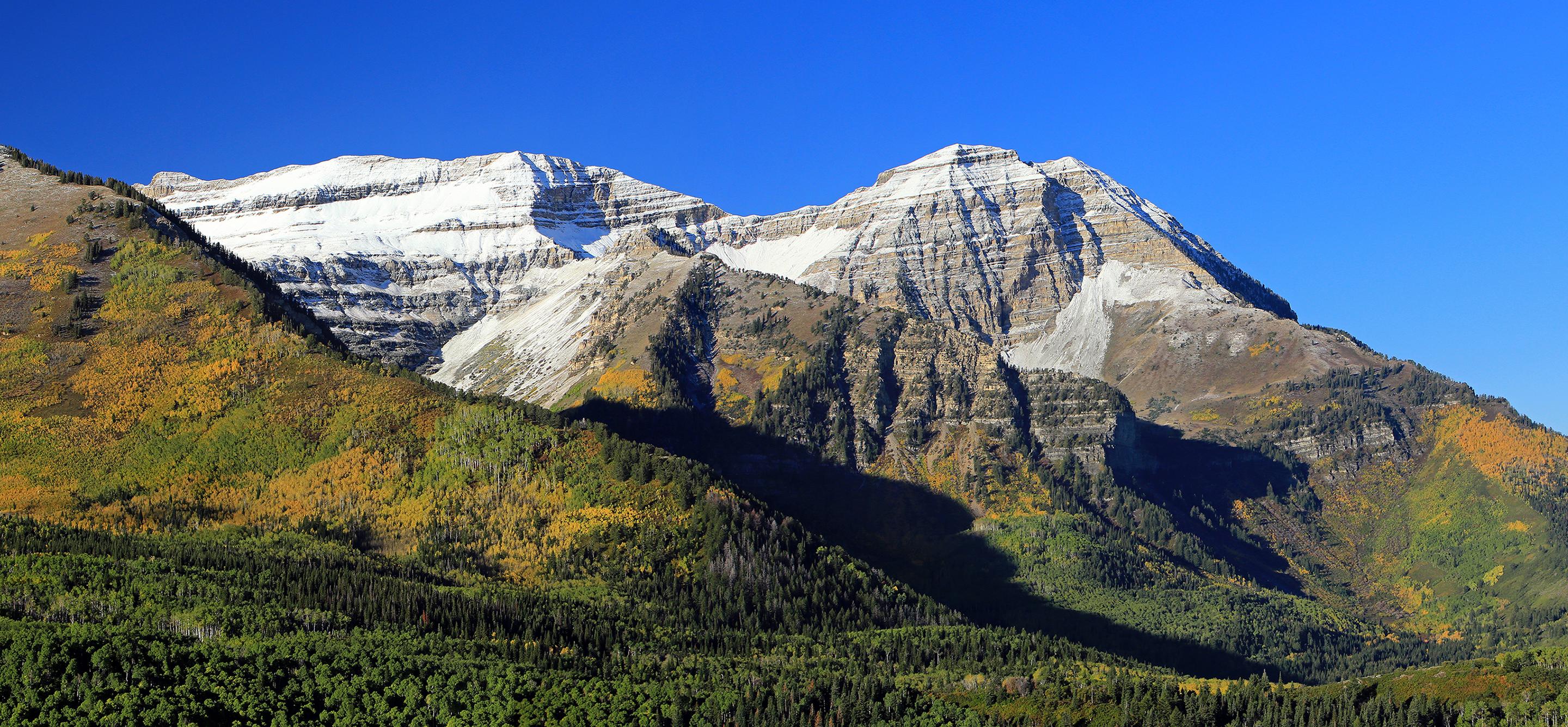
The Wasatch Range shares the same desert climate as the Great Basin, which it rims, but these craggy peaks rise to more than 11,000 feet, and stall storms moving in from the Pacific causing massive precipitations. The 160-mile stretch of verdure is home to 2 million people, or three-fourths of all Utahns. Although its landscape is crisscrossed by freeways and dappled by towns large and small, the Wasatch still beckons adventurers with its alpine forests and windswept canyons.
Where three geologically distinct regions—the Rocky Mountains, the Colorado Plateau, and the Basin and Range provinces—converge, the Wasatch Range combines characteristics of each. You'll find broad glacial canyons with towering granite walls, stream-cut gorges through purple, tan, and green shale, and red-ro...
Read MoreThe Wasatch Range shares the same desert climate as the Great Basin, which it rims, but these craggy peaks rise to more than 11,000 feet, and stall storms moving in from the Pacific causing massive precipitations. The 160-mile stretch of verdure is home to 2 million people, or three-fourths of all Utahns. Although its landscape is crisscrossed by freeways and dappled by towns large and small, the Wasatch still beckons adventurers with its alpine forests and windswept canyons.
Where three geologically distinct regions—the Rocky Mountains, the Colorado Plateau, and the Basin and Range provinces—converge, the Wasatch Range combines characteristics of each. You'll find broad glacial canyons with towering granite walls, stream-cut gorges through purple, tan, and green shale, and red-rock bluffs and valleys.
Most people associate Park City with its legendary skiing in winter, but this is truly a year-round destination. Bright-blue lakes afford fantastic boating and water sports, and some of the West's best trout streams flow from the high country. Add miles of hiking and biking trails and you have a vacation that's hard to beat.