Salvador and the Bahia Coast

Salvador and the Bahia Coast
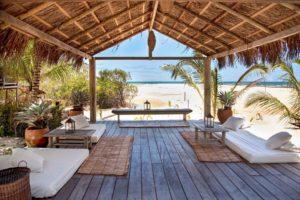
In "the land of happiness," as the state of Bahia is known, the sun shines almost every day. Its Atlantic Ocean shoreline runs for 900 kilometers (560 miles), creating beautiful white-sand beaches lined with coconut palms. Inland is Parque Nacional da Chapada Diamantina (Chapada Diamantina National Park), with 152,000 hectares (375,000 acres) of mountains, waterfalls, caves, natural swimming pools, and hiking trails. And in Bahia’s capital, Salvador, the beat of bongo drums echoing through the narrow cobblestone streets is a rhythmic reminder of Brazil’s African heritage.
Bahia’s Costa do Coqueiros (Coconut Coast), north of Salvador up to the village of Mangue Seco, on the border of Sergipe State, has 190 kilometers (118 miles) of beautiful beaches. South of Salvador, from Baía de...
Read MoreIn "the land of happiness," as the state of Bahia is known, the sun shines almost every day. Its Atlantic Ocean shoreline runs for 900 kilometers (560 miles), creating beautiful white-sand beaches lined with coconut palms. Inland is Parque Nacional da Chapada Diamantina (Chapada Diamantina National Park), with 152,000 hectares (375,000 acres) of mountains, waterfalls, caves, natural swimming pools, and hiking trails. And in Bahia’s capital, Salvador, the beat of bongo drums echoing through the narrow cobblestone streets is a rhythmic reminder of Brazil’s African heritage.
Bahia’s Costa do Coqueiros (Coconut Coast), north of Salvador up to the village of Mangue Seco, on the border of Sergipe State, has 190 kilometers (118 miles) of beautiful beaches. South of Salvador, from Baía de Todos os Santos and its islands (Itaparica and Tinharé) to Itacaré is the Dendê Coast, where you find the African palms that produce the dendê oil used in Bahian cooking. The midsection of Bahia’s coast is known as the Cocoa Coast, because cocoa plantations dominate the landscape and the economy.
Farther south, the Discovery Coast, from Santa Cruz de Cabrália to Barra do Caí, has many sites linked with the first Portuguese explorers to arrive in Brazil. The last bit of Bahia’s coast heading south is the Whale Coast, near the towns of Caravelas and Alcobaça, where humpback whales mate and give birth from June to November.